Is Paint More Than Just Color on Canvas?
- jen5178
- Jan 12
- 3 min read
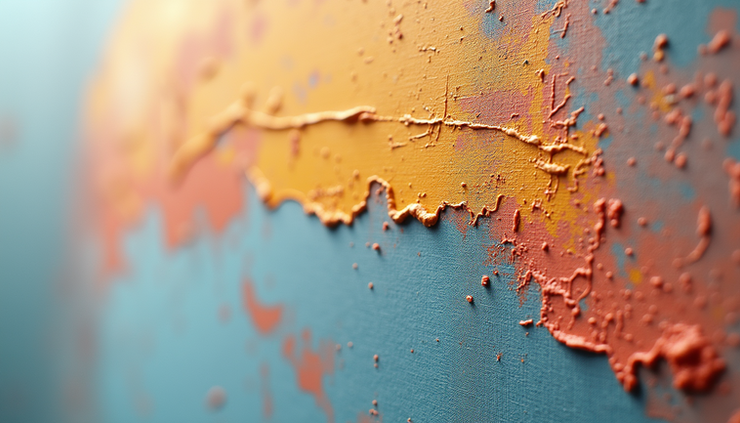
Paint often appears as a simple tool: a container of color used to decorate walls or create images on canvas. But is paint really just color? This question opens a door to a deeper understanding of what paint represents, how it functions, and why it matters beyond its surface appearance. Paint is a complex medium that carries history, emotion, science, and culture. It transforms spaces, preserves memories, and even influences moods. Exploring paint’s many roles reveals that it is far more than just pigment on a surface.
The Science Behind Paint
Paint is a mixture of pigments, binders, solvents, and additives. Each component plays a crucial role:
Pigments provide the color. These can be natural or synthetic and determine the hue and opacity.
Binders hold the pigment particles together and help the paint adhere to surfaces.
Solvents adjust the paint’s consistency for application and evaporate as the paint dries.
Additives improve properties like drying time, texture, and resistance to mold or UV light.
This combination creates a substance that can be applied smoothly, dries to a durable finish, and resists environmental damage. Paint chemistry has evolved over centuries, from natural earth pigments mixed with oils to modern acrylics and water-based paints that are safer and more versatile.
Paint as a Medium of Expression
Artists use paint to communicate ideas, emotions, and stories. The choice of color, texture, and technique can evoke feelings and provoke thought. For example:
Impressionists used loose brushwork and vibrant colors to capture light and movement.
Abstract artists rely on color and form to express concepts without representational images.
Realists use paint to depict scenes with precise detail, telling stories about everyday life.
Paint allows artists to translate their inner world onto a physical surface. It is a language of visual expression that goes beyond words.
Paint’s Role in Culture and History
Paint has preserved cultural heritage for thousands of years. Cave paintings from prehistoric times show early humans’ desire to record their environment and beliefs. Throughout history, paint has decorated temples, palaces, and public spaces, reflecting the values and aesthetics of societies.
In modern times, murals and street art use paint to make political statements or celebrate community identity. Paint becomes a tool for social dialogue and cultural memory.
Paint in Everyday Life
Beyond art, paint shapes our daily environments. Interior and exterior paints protect buildings from weather and wear. Colors influence how we feel in a space:
Warm colors like red and orange can energize a room.
Cool colors like blue and green tend to calm and relax.
Neutral colors create balance and simplicity.
Choosing paint for a home or office is not just about aesthetics but also about creating an atmosphere that supports comfort and productivity.
Environmental and Health Considerations
Paint technology now addresses environmental impact and health concerns. Low-VOC (volatile organic compounds) and zero-VOC paints reduce harmful emissions, improving indoor air quality. Some paints include natural ingredients or recycled materials, making them more sustainable.
Understanding paint’s composition helps consumers make informed choices that protect their health and the planet.
The Craft of Painting
Applying paint is a skill that requires knowledge and technique. Different surfaces and purposes demand different types of paint and methods:
Brushes, rollers, and sprayers each create unique finishes.
Preparation like cleaning and priming ensures paint adheres well.
Layering and drying times affect the final look and durability.
Professional painters and artists spend years mastering these techniques, showing that paint is not just a product but part of a craft.
Paint as a Symbol
Paint can symbolize transformation and renewal. A fresh coat of paint can revive an old room or object, giving it new life. In art, paint can represent ideas such as freedom, chaos, or harmony.
This symbolic power makes paint a meaningful element in rituals, celebrations, and personal expression.
Paint is much more than color on canvas. It is a complex material with scientific, artistic, cultural, and practical dimensions. Whether used by artists to tell stories, by homeowners to refresh spaces, or by communities to express identity, paint carries significance beyond its appearance. Recognizing this richness invites us to appreciate paint not just as decoration but as a vital part of human creativity and experience.


Comments